Where it all started: The Funnest Room in the House
Posted on 19 September 2025This June, artist Anna Maria Nabirye will host a pop-up of Black British Kitchens: The Funnest Room in the House at Towner. In this blog post, she reflects on the project's origin story, from dreams to a tragedy.
Somewhere in the middle of the pandemic times, I saw a callout from Jerwood Arts for a year-long mentorship. I had worked in visual arts and artist moving image, mainly as a performer and director and created some small projects - but this was always in collaboration with others or alongside acting, my main practicing art form from when I was 13 years old. I was looking for something else, with more space for multiplicity, more autonomy, more expansive modes of story-telling and more authorship, so I applied. And, to my utter surprise, I was selected alongside two other artists. Of course, the year of mentorship didn’t go as planned, but it was a light in a dark time.
We were thrilled the Whitstable Biennale could still go ahead and after the year of mentorship, I was commissioned to make a piece of work. The invitation was enticing - what do you want to make? Not what speaks to our callout, or our funding priorities, or the current trends, but what is in your heart. And I wanted joy, I wanted Blackness, I wanted family, I needed to be nourished. So, The Funnest Room in the House was born.
I discovered working with Emma Leach that I am a maximalist - I think there is a lot of truth in that. And I think it is born from not being welcomed to take up space, whether that was due to my gender, race, class or sexuality - there was overt and covert pressures to be small, to be contained and to not be too much. So here in the visual arts space, I want to be as audacious as my imagination allows.
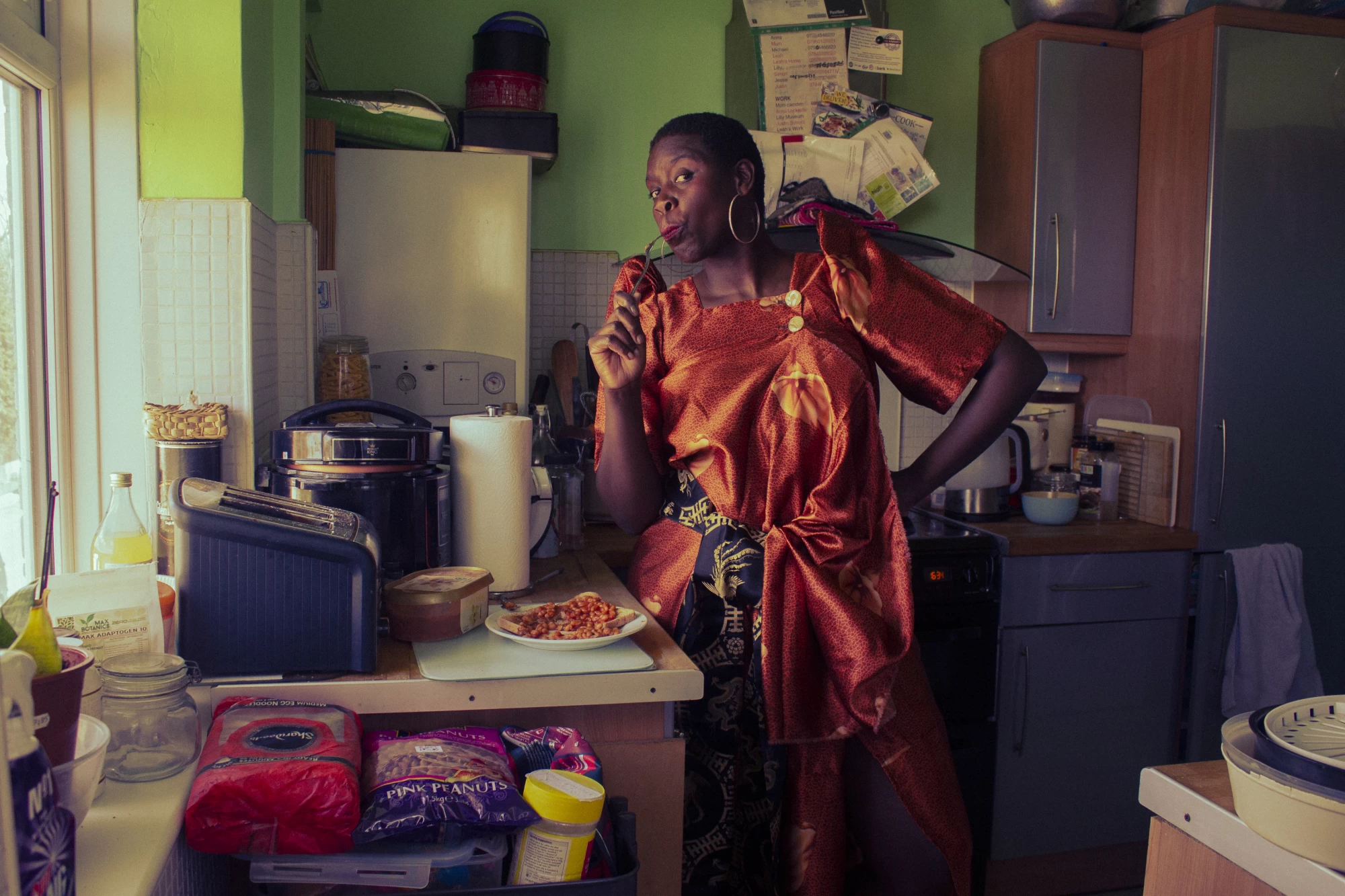
So, I spent time interviewing friends, family and community members from the African and Caribbean diaspora about a kitchen that stands out in their past. It was joyful - beautiful, filled with memories of love, food, dancing, culture, potential, community, naivete - and I gorged on it. It fed me and kept me going through creating this ambitious work that I had no idea how to really do - it was my first solo installation work. These stories, alongside my own memories, became the blueprint to the work.
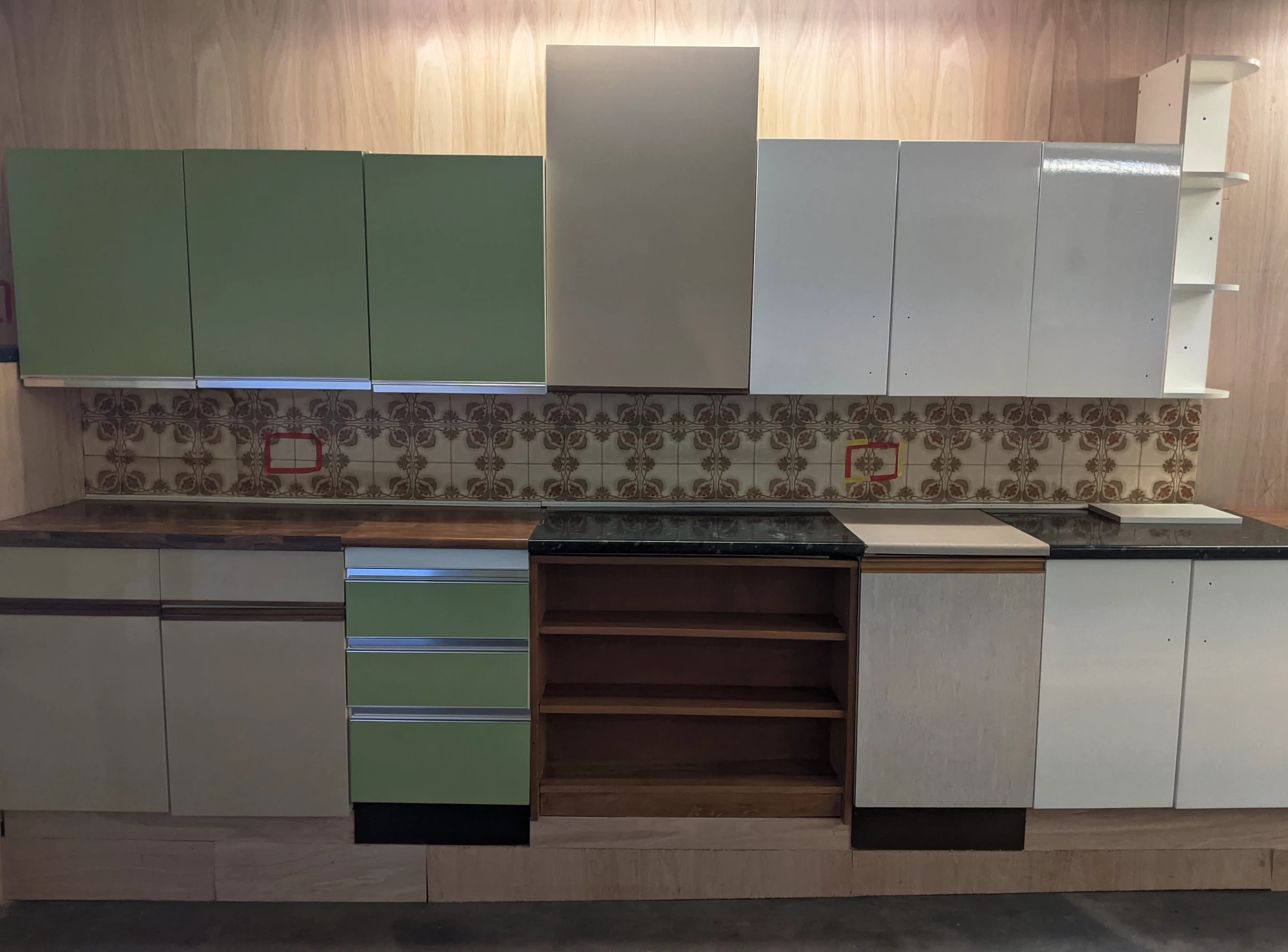
I then set about driving up and down the country with my partner to find physical representations of these kitchen interiors and objects. Dismantling kitchens from houses in Bournemouth, Reading, London, pulling bits of lino out of skips, trawling car boot sales, city dumps, charity shops, eBay and Gumtree for things folks no longer wanted but couldn’t just throw away, as they held meaning and memory.
I remember collecting a table and chairs from a man who was emptying his mother’s home after she had passed. The job was almost complete, the small terraced house empty with ghost marks where photos and furniture once lived. Lying on the carpet in her dining room, dismantling this beautiful polished dark wood table, we shared stories of this emptying task amongst his grief. He was warm and kind and I think he felt relieved in how excited I was to find this table and chair set and to know it would have a new life and be celebrated, cherished and elevated into culture by being part of the Biennale. Now in my own grief, knowing what I know about the loss of your mum, I understand this feeling so deeply.
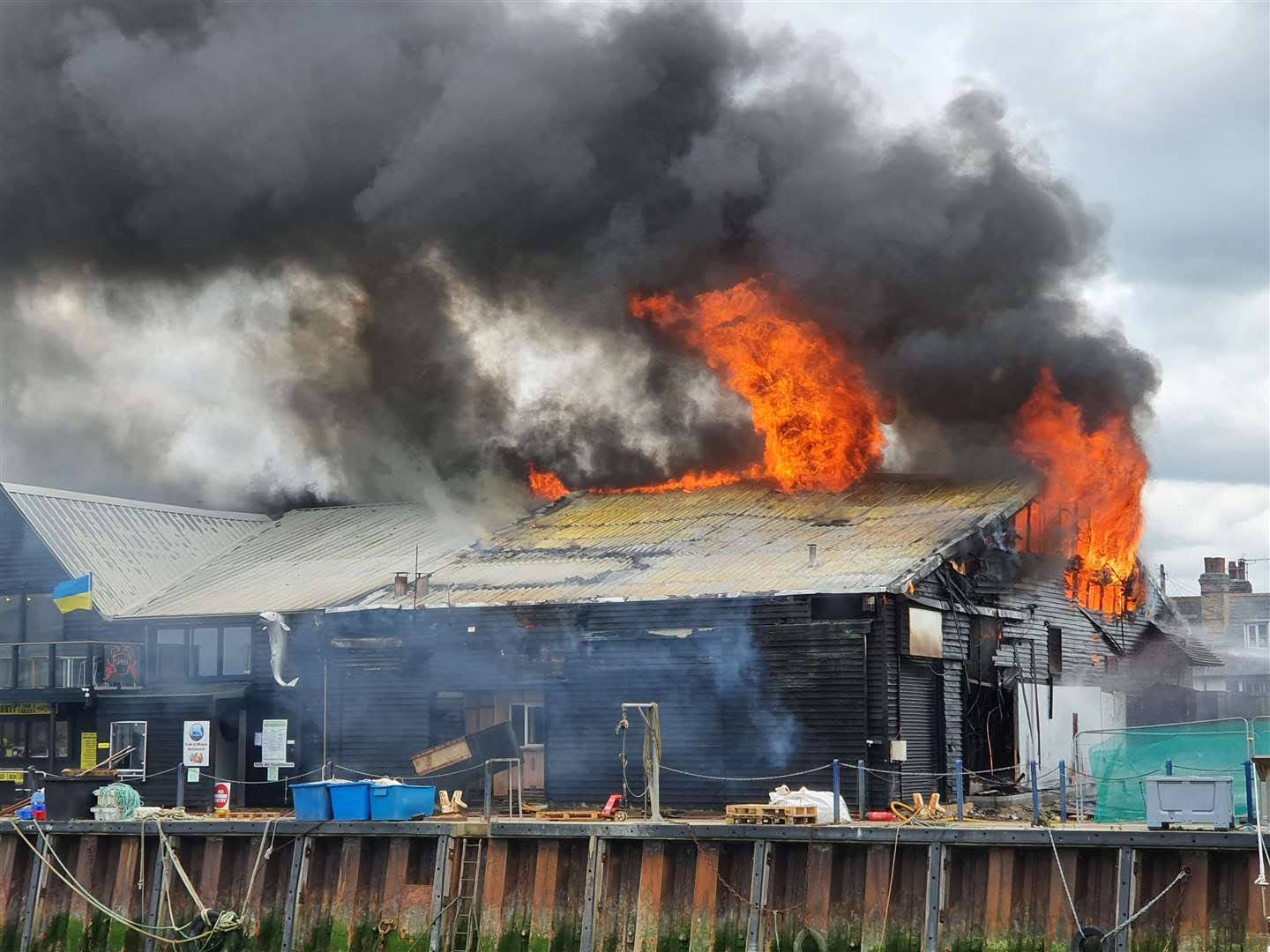
With two weeks to go till the premier of the work, the installation was built, objects were collected and the fridge was ready to open and reveal a disco ball, triggering a concealed sound system to play reggae and dub to mimic the house parties my dear friend Claudine grew up with in 1980’s South London. We took a break and went home for a few days rest. The next afternoon, there was a massive fire on Whitstable Harbour, caused by sparks from an angle grinder - the council digging up an old car park to make a bigger car park. The old cockleshed factory that housed The Funnest Room in the House, and the long standing restaurant next to it, The Crab & Winkle, were both destroyed by the fire. Ten fire engines fought the blaze for 20 hours. There was nothing left but a scorched scar.
With only two weeks to the opening of the Biennale, I responded to the trauma of losing the work by creating a sound work – Afterword. As audiences walked around Whitstable Harbour, near the site of the destroyed installation, they could listen to family and friends sharing their stories and memories of their kitchens alongside my reflections on the loss of my first solo work.